

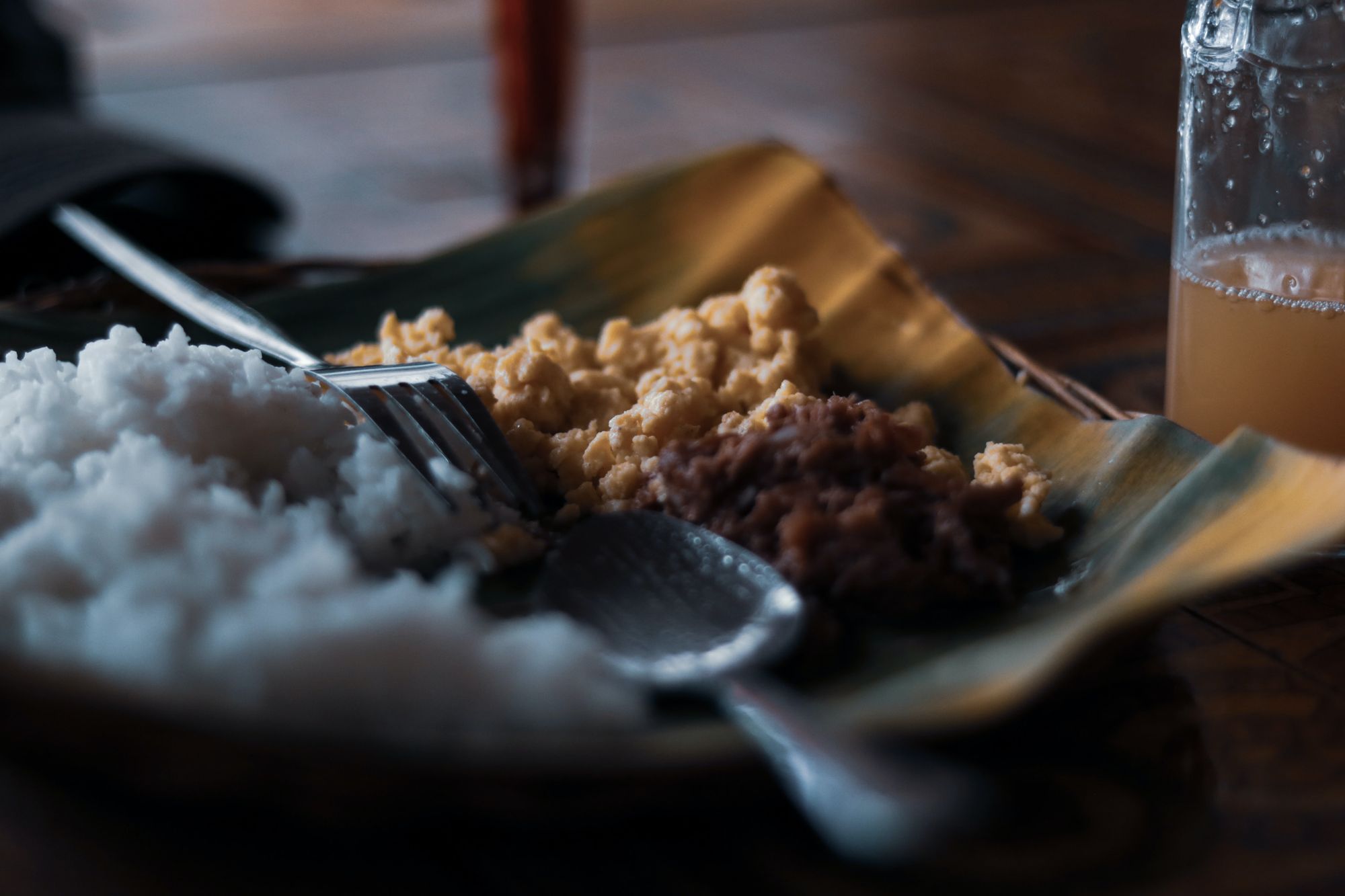
Philippine cuisine is as diverse as its culture and history. With over 7,000 islands and more than a hundred ethnic groups, it’s no wonder that the food here is so varied. From the sweet to the savory, there’s something for everyone to enjoy. And what’s even better is that you can easily recreate these dishes in your own kitchen! Here are five must-try Filipino foods that you can cook at home.
1. Adobo
Adobo is a dish that originated in the Philippines but has since become popular all over the world. The dish typically consists of chicken or pork that is stewed in vinegar, soy sauce, garlic, and pepper. It’s a simple dish to make but packed with flavor. Serve it over steamed rice, and you’ve got a complete meal.
While the exact origin of adobo is unknown, it is thought to have originated from the Spanish word “adobar,” which means “to marinate.” Adobo is a versatile dish served over rice, noodles, or even on its own as an appetizer.
If you’re looking to make adobo at home, here’s a quick and easy recipe:
- Start by marinating your chicken or pork in a mixture of soy sauce, vinegar, garlic, and black pepper. Let it sit for at least 30 minutes so the meat can absorb the flavors.
- Preheat a pan over medium heat and add some cooking oil. Once the oil is hot, add the marinated meat to the pan and cook until it’s browned on all sides.
- Add water (or chicken broth) to the pan and bring it to a boil. Then reduce the heat to low and let the meat simmer in the liquid for about 30 minutes.
- Once the meat is cooked through, you can optionally add some vegetables to the pan (such as potatoes or carrots). Cook for an additional 5-10 minutes until the vegetables are tender.
- Serve over rice or noodles, and enjoy!
2. Sinigang
Sinigang is a soup made with tamarind broth and various vegetables. It’s usually made with meat (chicken, pork, or beef), but there are also vegetarian versions of the dish. The soup is sour and savory all at the same time and makes for a hearty meal. Serve it with steamed rice on the side. If you’re looking to make sinigang at home, follow these steps:
- Combine water, tamarind paste, and your chosen meat or seafood in a large pot. Bring the mixture to a boil.
- Add the veggies of your choice – commonly used veggies include eggplant, okra, tomatoes, and onion.
- Let the soup simmer until the meat or seafood is cooked through. Season with salt and pepper to taste.
- Serve over steamed rice or noodles, and enjoy!
3. Lumpia
Lumpia are Filipino spring rolls that are typically filled with pork and vegetables. They’re perfect for parties or as an appetizer before a meal. You can also make lumpia ahead of time and freeze them, so they’re ready to be fried when you need them. Serve them with a dipping sauce on the side, such as sweet chili sauce or peanut sauce. Here’s a step-by-step guide on how to cook lumpia:
- Begin by thawing the lumpia wrappers if they are frozen. This can be done by soaking them for approximately 10 minutes in a bowl of warm water.
- While the wrappers are thawing, mix the filling ingredients in a medium bowl. This can include ground meat, shredded cabbage, carrots, green onions, and garlic.
- To assemble the lumpia, lay one wrapper on a flat surface and spoon 1-2 tablespoons of filling onto the wrapper. Be sure not to overfill the wrapper, or it will be difficult to roll.
- To roll the lumpia, first, fold up the bottom corner of the wrapper so that it covers the filling. Then, fold in the sides of the wrapper and continue rolling until the entire lumpia is rolled up tight.
- Place the rolled lumpia on a plate or baking sheet and repeat steps 3-5 until the wrappers and filling are used up.
- Lumpia can be fried or baked; if frying, heat oil in a large skillet over medium heat. When the oil is hot, add the lumpia and cook for 3–5 minutes on each side, or until golden and crispy. If baking, preheat the oven to 375 degrees F and spray a baking sheet with cooking spray. Place lumpia on the baking sheet and bake for 15-20 minutes or until golden brown. Serve with dipping sauce if desired.
4. Halo-Halo
Halo-halo is a popular Filipino dessert that means “mix-mix.” It’s a bowl of shaved ice topped with fruits, beans, coconut, leche flan, and ice cream. Halo-halo is best enjoyed on a hot day, but it’s also a great way to end any meal. Here is a step-by-step guide to making halo-halo:
- Start by cooking the beans. Black beans, mung beans, and garbanzo beans are all popular choices. Cook the beans until they are soft, then drain and set aside.
- Next, prepare the fruits. Halo-halo typically includes bananas, pineapple, and papaya. You can use fresh or canned fruits, depending on what is available. Cut the fruits into small pieces and set them aside.
- Now it is time to prepare the jelly. Again, you can use any jelly that you like. Cut the jelly into small cubes and set aside.
- To assemble the halo-halo, start by adding a layer of cooked beans to the bottom of a glass or bowl. Top with a layer of fruit, then jelly cubes. Repeat until the glass or bowl is full. Serve chilled with a scoop of ice cream on top, drizzled with milk. Enjoy!
5. Turon
Turon is fried plantains wrapped in lumpia wrapper and then rolled in brown sugar. They make for a sweet snack or dessert and are easy to make at home. Serve them with ice cream on the side, or enjoy them as they are!
Turon is a Filipino dessert made of plantain or banana wrapped in brown sugar and deep-fried. It is a popular street food snack in the Philippines and can be found in most Filipino restaurants. Turon is easy to make at home with just a few simple ingredients.
To make turon, start by peeling and slicing the plantains or bananas into thin pieces. Then, roll each piece in brown sugar. Next, heat oil in a frying pan over medium heat. Once the oil is hot, add the plantain or banana slices to the pan and cook until they are golden brown on all sides. Remove from the heat and allow to cool before serving. Enjoy!
There you have it—5 must-try Filipino foods you can cook at home! These dishes will surely please everyone at your table, from adobo to halo-halo. So gather up your ingredients and get cooking!